

When the warmth of summer arrives, having a reliable air conditioning system can make all the difference in changing your home into a cool and comfortable oasis. Proper air conditioning installation is not just about selecting a unit; it's about creating a space where you and your family can flourish, enjoy, and relax without the inconvenience of oppressive heat. With the appropriate guidance and knowledge, you can ensure your AC system is installed effectively and correctly, maximizing both its performance and longevity.
In this piece, we explore everything you need to know about air conditioning setup. From understanding the signs that indicate it is time for a new system to selecting the right type of air conditioner for your home, we provide you with comprehensive insights to navigate this important home improvement project. Regardless of whether you're thinking about central air, ductless mini-split systems, or energy-efficient options, our full guide will help you take informed decisions that enhance your home environment while keeping utility bills in control. Join us as we explore the extensive world of air conditioning installation and discover how you can elevate the cool factor in your home.
Indicators You Need a Replacement AC
One, one of the initial signs that it may be time for a new air conditioning installation is insufficient cooling. If you find that specific rooms in your home are warmer than the rest, or if your AC system struggles to maintain a comfortable temperature, it could be an indication that your unit is losing its effectiveness. Irregular cooling can stem from various issues, but if repairs start to be frequent and costly, a new system may be more economical.
Another clear sign is an increase in energy bills. If you've noticed a significant spike in your electricity costs without corresponding growth in usage, your air conditioner might be overworking itself due to its age or inefficiency. Aging units often consume greater energy, resulting in higher utility bills. https://rask-willoughby-2.hubstack.net/setup-experts-tricks-to-efficient-air-conditioning-setup in a new, energy-efficient model can ultimately save you money in the long run.
Lastly, listen for unusual noises coming from your air conditioning system. Noises such as grinding, squealing, or rattling can indicate serious problems that might not be easily fixable. Although regular maintenance can extend the lifespan of your AC, continuing strange noises may point towards the need for a replacement. If you're facing ongoing issues, it’s wise to consult with a professional to assess whether an installation is the best route to take.
Picking the Appropriate AC Unit
Selecting the best air conditioning unit for your residence is crucial for achieving relief and efficiency in energy consumption. Consider the dimensions of your space first. An inadequately sized unit can lead to increased energy expenses and insufficient cooling. Use the BTU (British Thermal Unit) estimation to determine the appropriate capacity according to your house’s square area, ceiling height, and insulation effectiveness. Always keep in mind that larger is not always better, as oversized systems can turn on and off too often, wasting energy and causing wear.
Next, assess the kind of air conditioning system that best fits your demands. Central air units are perfect for spacious houses with current ductwork, offering consistent cooling. On the flip side, ductless mini-split units can be a great choice for houses without air distribution systems or for specific rooms where more cooling is needed. Every option has its merits, so consider your residence’s layout, ease of installation, and future renovations when making your decision.
In conclusion, don’t neglect about efficient energy use. Look for units with a superior Seasonal Energy Efficiency Ratio (SEER) rating, as they use less energy while chilling your home effectively. Modern units often feature smart technology features, allowing for better temperature control and energy management. By investing an energy-efficient AC system, you can significantly reduce your energy costs while also favoring environmental sustainability. Make sure to weigh these aspects to make certain you select the most suitable system for your house.
The Setup Procedure Detailed
This air conditioning installation procedure starts with a initial consultation and evaluation by a experienced technician. During the phase, they shall evaluate your house’s layout, thermal protection, and existing ductwork, if relevant. This assessment aids in determining the correct dimensions and type of AC system that best fits your requirements. Following discussing your choices and preferences, the technician shall offer a detailed estimate, laying out all costs related to installation, permits, and any needed modifications.
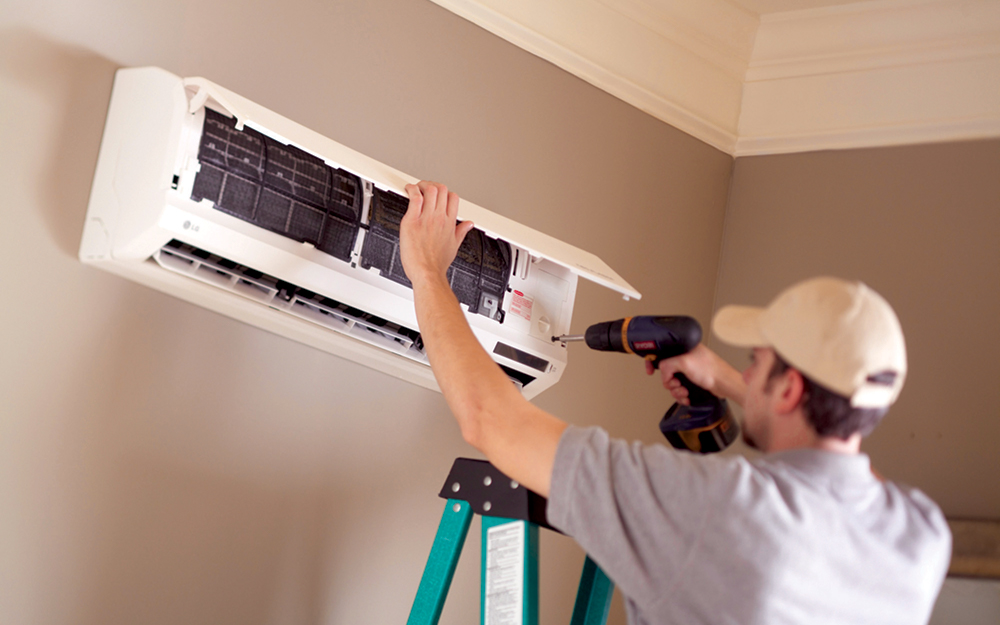
Once you decide on the system, the day of installation arrives. The crew will ensure that all required tools and supplies are prepared. They typically start by getting ready the installation site, which may require relocating current devices or adjusting ductwork. If you're opting for a fully ducted air system, they shall connect the indoor and outdoor units while making sure proper refrigerant lines and electrical components are in position. For ductless systems, installing the indoor units is finished in specific areas that enhance cooling efficiency.
Once the setup is finished, the installer will conduct a thorough check and evaluation of the entire system. This last check ensures everything is functioning correctly and efficiently. You will get guidance on operating the system and any upkeep recommendations. This step is essential for optimizing the lifespan and efficiency of your new air conditioning system, allowing you to enjoy a comfortable atmosphere in your home.