

The concept of “Right to Light” stands as a vital aspect of property ownership and development, offering homeowners and their neighbors important rights over access to sunlight. As metropolitan areas grow increasingly populated and construction initiatives proliferate, understanding the consequences of light access becomes progressively important. The right to natural light not only affects the enjoyment of your dwelling but can also have substantial implications for property appraisal, development permits, and development risks.
Understanding the intricacies of light access legislation in the UK necessitates a firm grasp of both legal principles and practical considerations. Whether you are a homeowner contemplating an addition, a builder embarking on a construction venture, or a concerned neighbor facing potential loss of light, knowing your rights, obligations, and courses of action can make all the difference. This guide will illuminate key aspects of right to light, explain the steps required, and provide useful tips for ensuring that natural light stays a beneficial feature of your home and those adjacent.
Grasping Light Access Laws
Light access is a legal doctrine that allows property owners to receive natural sunlight through their windows. In the UK, this right is mainly governed by statutory law, as well as various specific statutory regulations. Over the years, it has progressed to harmonize the interests of both property owners and developers, which is especially significant in densely populated areas. The concept safeguards that existing properties do not have their light unjustly hindered by new developments, maintaining a quality of living for those who have enjoyed light access for a significant period.
To establish a right to light, a property owner typically must show that they have received sufficient light for at least 20 years without major disruption. The assessment also considers factors like the extent of the obstruction and the effect on the light received. Various formulas, including the 45-degree rule, are implemented to evaluate whether a proposed construction will impinge with this right. Understanding these legal foundations is vital for both property owners and developers, as they navigate potential disputes during construction projects.
Conflict often occurs between neighboring parties, particularly when one party feels that their right to light is being infringed. To avoid and resolve these disputes, property owners should think about obtaining a right to light survey, which evaluates their current light conditions in relation to potential developments. Legal advice is also recommended when managing planning permission processes to make certain that the rights of all parties are respected and upheld.
Right to Light Surveys and Analyses
Light rights assessments are vital analyses that analyze how proposed developments may affect the natural light enjoyed by neighbouring properties. These surveys consist of measuring the degree of light that enters a property and detecting any potential infringements from new building projects. A thorough analysis can help property owners comprehend their entitlements and whether they are prone to face issues during the development phase.
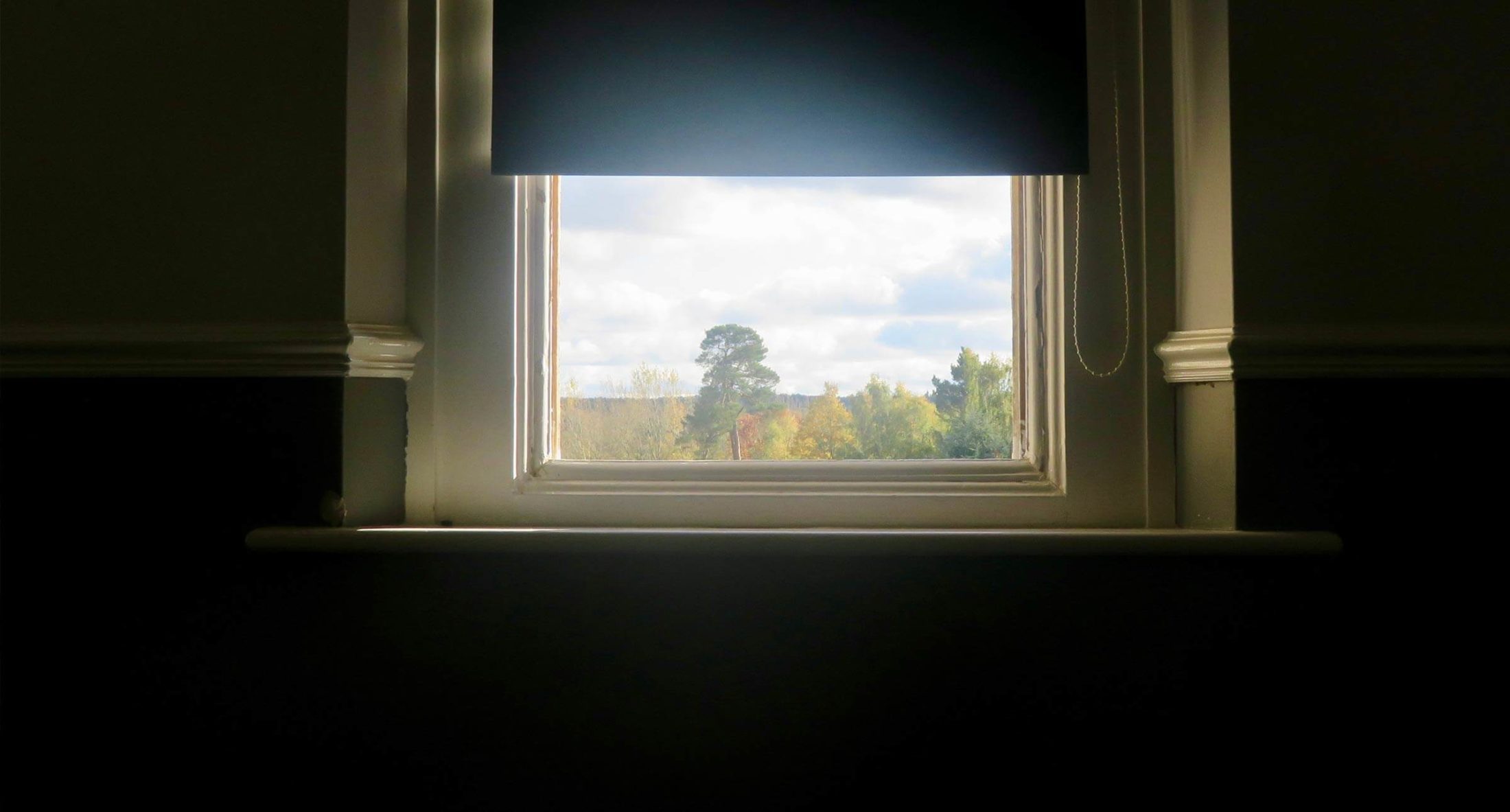
Analyses typically use accepted methodologies, including the 45-degree rule, to determine whether a new construction will interfere with light to adjoining properties. By utilizing bulk buy semi-truck tires , surveyors can deliver insight into possible legal implications and assist developers in creating projects that minimize disturbance to natural light. This preventive approach not only defends the rights of existing property owners but also enables smoother development processes.
For property owners, requesting a right to light survey before initiating construction or substantial modifications can prevent future disputes and costly litigation. The findings can function as key evidence in negotiations with neighbours or in court, should conflicts arise. Retaining a specialist surveyor early in the planning phase emphasizes the importance of light access and can lead to more smooth relationships within the community.
Dispute Settlement and Compensation
Resolving right to light disputes typically entails initial discussions among real estate holders to reach an mutually beneficial resolution. Open communication can frequently assist illuminate the concerns at hand, and the involved individuals may discover common ground before intensifying matters further. If https://graph.org/As-Darkness-Fall-Protecting-The-Entitlement-to-Light-10-26 prove unsuccessful, conciliation or binding resolution may be sought, where a impartial third party facilitates in reaching a settlement without the need for legal action. This approach not only helps save time and costs but can also maintain the bond among adjacent property owners.
If negotiations do not produce satisfactory results, litigation may become necessary. Real estate holders may seek an injunction to stop their adjoining property owner from constructing or mandating adjustments to the project that impacts their light. Courts can also grant damages to compensate for loss of light if it is proven that a landholder has a valid right to light that has been violated. This judicial path can be protracted and costly, so detailed preparation and awareness of one's rights are crucial.
When it comes to reimbursement, landholders should compile substantial evidence backing their assertions. This may consist of images, assessments, and professional evaluations detailing the impact of the construction on their land. Light-right assessments, especially those performed by qualified surveyors, play a critical role in substantiating claims. Understanding the potential for compensation can motivate parties to settle disputes amicably, focusing on resolutions that may benefit both the landholder and the developer involved.