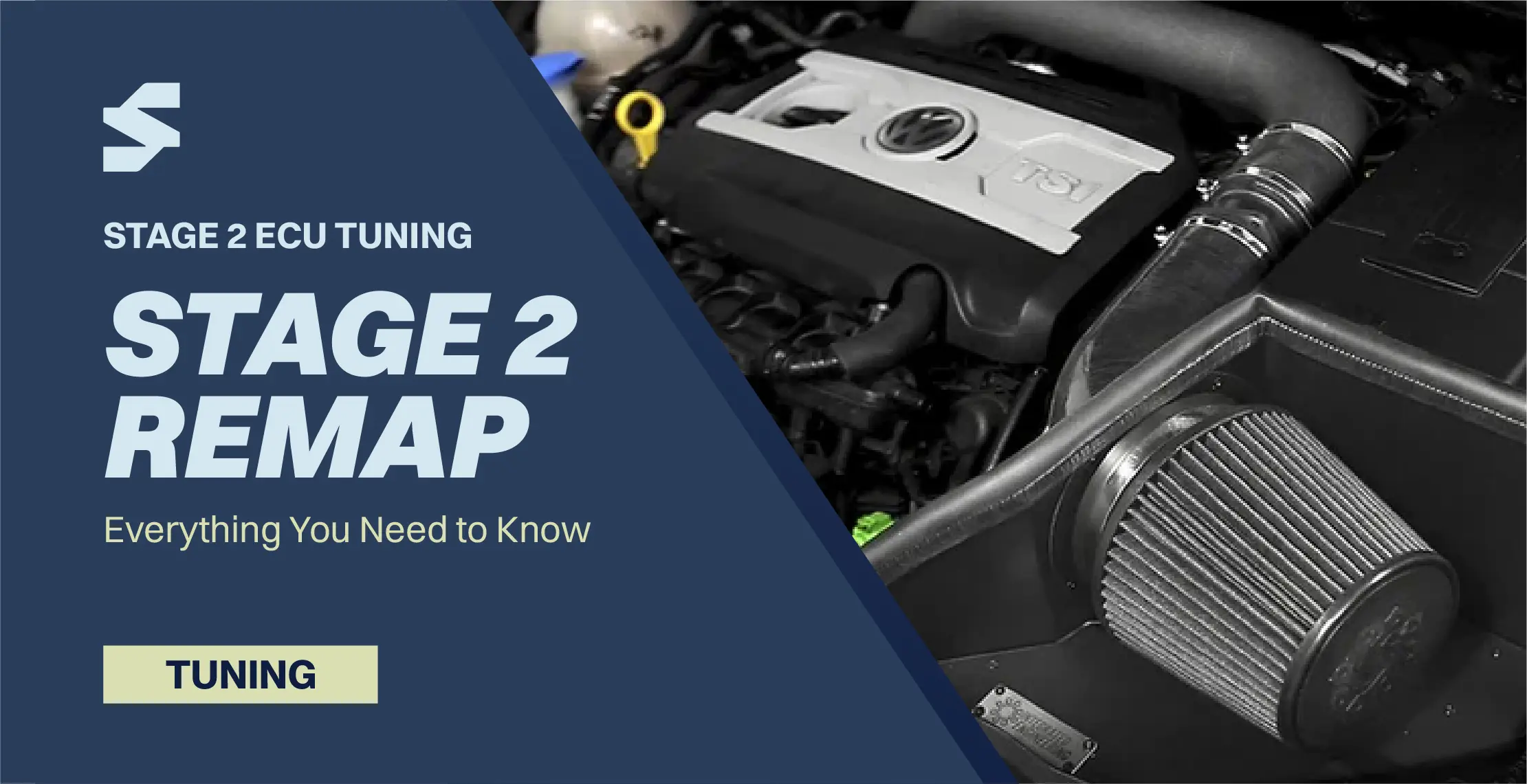
In the past few years, car remapping has gained significant popularity with car enthusiasts and daily commuters too. Yet what is car remapping, and in what way can it alter your experience behind the wheel? At its heart, car remapping means reprogramming a vehicle's engine control unit to enhance efficiency, fuel consumption, and overall vehicle performance. This process allows for customized changes that can lead to remarkable increases in engine output and pulling power, as well as gains in fuel economy.
As we look closer into the mechanics behind car remapping, we will examine its various perks, its differences to conventional engine tuning, and what you should consider before making the choice to tune your vehicle. Regardless of whether you drive a petrol engine, understanding the intricacies of car remapping can empower you to realize your car's full potential, enhance your driving experience, and make knowledgeable decisions about your vehicle's upgrades.
Comprehending Vehicle Remapping
Vehicle remapping is the process of changing a car's Engine Control Unit software to enhance power, fuel economy, and total driving experience. The ECU is responsible for controlling multiple engine operations, and by changing its parameters, specialists can increase engine power, enhance responsiveness, and maximize fuel usage. The remapping process typically involves the use of specific applications and equipment to rewrite the original configurations to suit the driver's needs.
The remapping process changes based on the vehicle and the desired results. Typically, professional technicians create a custom map that considers particular variables such as type of engine, type of fuel, and driving conditions. This guarantees that the changes not only meet performance goals but also maintain engine reliability. For those seeking significant gains in power, options like Stage 1, Stage 2, and Level 3 remapping provide various enhancement levels based on modifications made to the engine and power requirements.
In addition to increased power, car remapping can positively impact fuel economy, making it an attractive choice for many car owners. However, it is crucial to understand the possible dangers and advantages associated with remapping. Grasping the technology behind modern vehicle remapping and the necessity of selecting a qualified specialist can assist car owners make informed decisions about maximizing their vehicle's performance.
Benefits and Factors
Vehicle remapping offers a variety of benefits that make it an appealing option for many vehicle owners. One of the key advantages is the substantial improvement in engine performance. By tweaking the engine's electronic control unit, remapping can produce boosted horsepower and torque output, which results in a more spirited driving experience. Additionally, many drivers notice gains in fuel efficiency, as the vehicle's fuel-air mixture and ignition timing are adjusted to ensure optimal combustion. This not only leads to superior performance but can also lower fuel costs over time.
However, there are important considerations to keep in mind before proceeding with car remapping. While Click here for info remapping services are designed to enhance performance safely, there is a chance of strain on the engine if not done properly. It is crucial to select a qualified remapping specialist who knows your vehicle's individual requirements. Moreover, drivers should be cognizant of how remapping may influence their insurance premiums and warranty protection. Some manufacturers may void warranties on remapped vehicles, so it is essential to review policy terms in advance.
Lastly, car remapping is not a one-size-fits-all answer. The results can vary depending on considerations like vehicle type, engine condition, and the degree of the remap. Stage 1, Stage 2, and Stage 3 remapping options cater to different performance levels, with each stage offering increasing modifications and enhancements. It is advisable to thoroughly evaluate these options and think about the long-term impacts on your vehicle’s capabilities and longevity prior to making a decision.
Selecting the Most Suitable Remapping Specialist
Choosing the right remapping specialist is crucial for achieving the best outcomes for your automobile. Start by investigating professionals who have a strong reputation in the field. Look for ratings, testimonials, and testimonials from other drivers to gauge their reliability and knowledge. An experienced specialist will have a history of successful remappings and should be able to provide evidence of their results, such as prior and subsequent performance metrics.
In addition to expertise, it is important to take into account the technology and methods used by the remapping specialist. A qualified remapping service will employ advanced diagnostic tools and modern software to ensure exactness in ECU configurations. They should also provide personalized remapping options designed to your particular vehicle manufacturer and type, rather than exclusively on off-the-shelf maps. This tailoring can result in better performance and efficiency, resulting in noticeable changes in your time on the road.
Finally, do not neglect the importance of customer service. A suitable remapping specialist should be open about their procedures, explain the benefits and risks entailed, and answer any inquiries you could have. It is also wise to verify that they deliver post-remapping services, including troubleshooting and reviewing the remap if necessary. By paying attention to these factors, you can choose wisely that eventually improves your vehicle's performance and longevity.