

This entitlement to light is an important legal principle that every landowner should be cognizant of. It relates to a property owner's entitlement to receive light through their openings, and it can significantly affect the enjoyment and worth of a property. Understanding the right to light is essential, particularly for those engaged in building, renovation, or real estate development. As https://telegra.ph/Whats-Your-View-The-Significance-of-Rights-to-Light-in-Real-Estate-Possession-10-26 become more crowded and new construction projects emerge, the likelihood for disputes over this right grows.
In this article, we will explore the nuances of right to light laws in the United Kingdom and explore their consequences for landowners and builders alike. We will discuss all aspects from the significance of right to light surveys to the frequent origins of disputes and how to settle them effectively. Whether you are thinking about a construction project or are simply a property owner looking to safeguard your interests, this manual will provide valuable information into how to protect your right to light while managing the legal framework.
Comprehending Light Rights Legislation
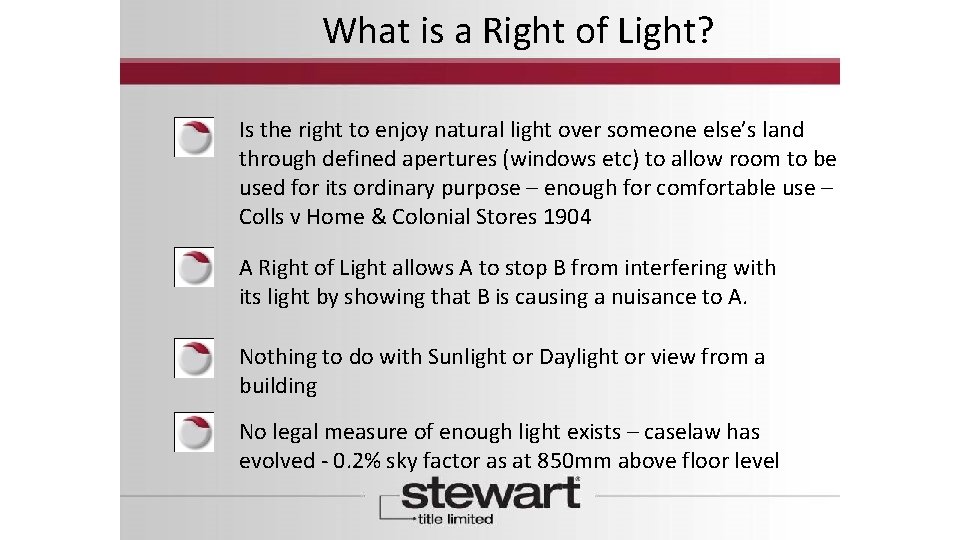
Right to light is a lawful principle that permits real estate holders to receive ambient light through defined openings in their buildings, such as windows and doors. This right can be established through continuous use, typically over a period of 20 years, under the Prescription Act 1832. Once established, this right becomes a form of easement, providing the property owner with the ability to enjoy light without obstruction from adjacent structures. The importance of this right cannot be emphasized, as it significantly impacts the worth and desirability of real estate assets.
In the context of property development, understanding light rights laws is crucial for both property owners and developers. When planning new buildings or extensions, it is imperative to consider how the proposed modifications may affect the ambient light received by adjacent properties. This not only aids in avoiding potential disputes but also guarantees compliance with local planning regulations. Click for info of consideration for right to light can result in costly juridical challenges and even delays in construction schedules.
Additionally, the legal structure surrounding right to light can be complicated and varies across various jurisdictions. In the UK, there are particular assessments and criteria, such as the 45-degree rule, that are used to assess whether a suggested development would infringe upon an existing light right. Engaging with light rights surveyors early in the design process can provide valuable insights and protect the concerns of all parties participating, ultimately enabling more seamless developments and maintaining friendly neighborhood relations.
Handling Light Access Conflicts
Right to Light disputes often arise when a new project impacts the natural light access of an current property. Property owners must grasp their legal rights and the possible effects of adjacent building projects on their light access. These conflicts can lead to complex legal issues, making it important for property owners to engage active discussions with their adjacent property owners and seek professional guidance early in the process.
To resolve these issues, it is crucial to gather documentation to back any allegations of obstruction to light. This may involve performing light access assessments to assess the degree of the influence on light levels. A thoroughly prepared case can significantly aid negotiations with construction companies or surrounding property holders, likely leading to an friendly resolution without having to go to litigation.
If discussions fail, property owners may need to consider litigation, which could consist of seeking an injunction or compensation for loss of light. Hiring a specialist consultant or legal professional in Right to Light issues can be critical in navigating the complexities of the legal landscape, ensuring that property owners are effectively advocated for and their rights to natural light are upheld. Grasping the legal framework and having the right support can make a remarkable change in these conflicts.
Assessments and Surveys for Right to Light
Light assessment evaluations are crucial evaluations that determine how much natural light a property enjoys and how it may be affected by nearby developments. These assessments are necessary for property holders and developers, as they help detect possible light obstructions from neighboring structures. Understanding the light accessible to a property not only informs owners of their rights but also helps in planning new developments in a way that minimizes disputes and litigation.
Surveys conducted by certified professionals play a significant role in the light entitlement process. A right to light survey evaluates the existing light situation, examines relevant local laws, and considers the impact of proposed building projects on existing properties. These surveys employ advanced techniques, including sunlight modeling and thorough analysis of window positions, to provide accurate assessments. Such thorough evaluations are necessary for any property owner looking to ensure their right to natural light is preserved.
Engaging in a right to light survey early in the planning process of a construction project can lead to favorable outcomes for both developers and existing property owners. It allows for proactive measures to be taken to avoid possible conflicts. Additionally, having a comprehensive report from a right to light surveyor can provide valuable evidence if disputes emerge, helping to facilitate resolutions without escalating matters to the courtroom.