

The idea of the right to natural light is a significant aspect of property ownership that often goes overlooked until a conflict arises. It describes the legal entitlement of owners of property to access natural light through their windows and facades. This right not only contributes value to home and business properties but also improves the quality of life for those residing and working within those spaces. Understanding right to light is critical for real estate owners, builders, and anyone involved in the real estate market, particularly in a crowded area where developments can impact existing properties.
In this article, we will examine the significance of right to light in the UK, providing a detailed summary of the relevant laws, formulas, and surveys that govern this essential right. We will tackle common issues that arise between neighbors, the importance of conducting right to light assessments before starting new building projects, and how to efficiently navigate conflicts should they occur. By shedding light on these topics, we aim to provide property owners and developers with the insight they need to protect their rights and make informed decisions regarding their properties.
Grasping The Right to Light
Right to Light is a law-based principle that grants property owners the entitlement to receive ambient light in their establishments. This entitlement can significantly influence the pleasure and worth of a property, making it a crucial factor for homeowners and builders alike. In the UK, the right to light is typically determined through the legislation of access rights, which means that if a property has enjoyed from natural light for a specified period, usually 20 years, the owner can claim this as a formal right.
The significance of the Right to Light cannot be underestimated, particularly in urban areas where buildings are often constructed in near proximity to one another. Loss of natural light can impact not only the ambiance and livability of a space but also its market value. For property owners, preserving their Right to Light is vital, as it allows them to enjoy comfortable living conditions and preserve the economic value of their assets.
When planning construction or renovations, property owners must evaluate how their projects could affect the Right to Light for neighboring properties. This includes comprehending the potential implications of new developments on neighboring buildings. Initiating in early discussions with neighbors and professionals can reduce disputes and ensure that projects comply with Right to Light regulations, promoting a cooperative relationship among the community.
Right to light Surveys and Assessments
Surveys of light access are important for property owners, developers, and designers to grasp how new buildings may influence light conditions in adjacent buildings. These surveys evaluate the amount of natural light that a property receives through its windows and outdoor areas. By analyzing existing conditions and future modifications, these analyses can help detect any encroachments on the right to light prior to development. Engaging https://www.rightoflightsurveyors.uk/best-right-to-light-surveys-london/ certified expert ensures a detailed method to these assessments, enabling property owners to act with understanding.
During a right to light assessment, multiple elements are considered, including the alignment of the facilities, the size, and the nearness of surrounding edifices. Surveyors use techniques such as the 45-degree rule to assess if planned constructions will impact light availability to adjoining properties. Furthermore, this analysis often involves creating graphic illustrations, such as shadow diagrams, which show how the light may shift based on the planned modifications. These methods are particularly valuable in resolving conflicts before they intensify.
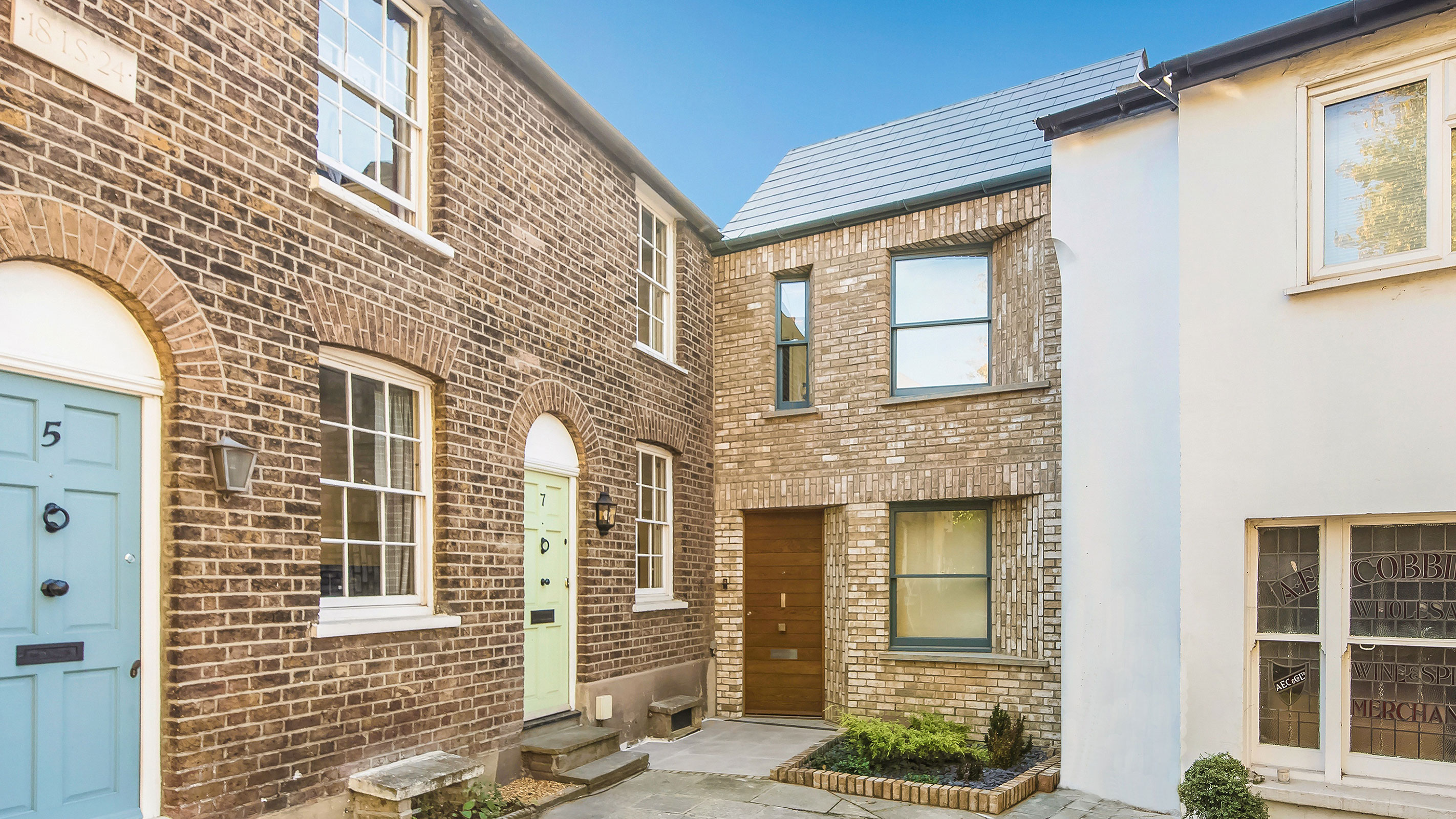
Comprehending the results of a light access evaluation can be crucial for strengthening a developer's position when seeking planning permission. With precise evaluations, property owners can either alter their designs to reduce light interference or have the necessary proof to validate their claims if conflicts emerge. Proactive engagement in light assessments not only helps with legal requirements but also fosters harmonious relationships between adjacent landowners—an essential part in any building initiative.
Dealing with Light Rights Conflicts
As managing right to light disputes, effective communication between neighbors is crucial. Engage in open discussions to understand their issues and explain your intentions regarding the development. This can often diffuse tensions and pave the way for a cooperative solution. Many disputes originate in miscommunications, so encouraging a constructive dialogue can lead to mutually beneficial outcomes, such as slight modifications to a proposed project.
In the event that initial talks do not resolve the issue, it is advisable to obtain the assistance of neutral parties or certified surveyors specializing in right to light. These experts can provide impartial assessments and advice based on statutes and regional legislation. Their perspectives might help both sides see the dispute from a alternative angle, potentially uncovering options that haven't been thought about. Engaging expert assistance can lead to a quicker and cheaper resolution compared to going through legal channels.
Should discussions and mediation fail, it may become necessary to pursue formal legal action. Before taking this step, ensure you have detailed evidence supporting your claim, such as thorough evaluations and previous light assessments. Consulting a lawyer who specializes in real estate law will provide insight on the best course of action. Legal proceedings can be protracted and costly, so exhausting all available paths is advisable before taking this route with this approach.